
 Denpasar · Canggu · Ubud · Seminyak
Reliable Shipping from Australia to Bali
Streamlined logistics and export services for businesses in Bali. Get your Australian products delivered with ease and efficiency.
What are you shipping?
Let us know your requirements and we'll guide you to the best solution.
Shipping commercial goods from Australia to Bali is a strategic move for businesses looking to tap into the Indonesian market. With the Indonesia–Australia Comprehensive Economic Partnership Agreement (IA‑CEPA) in place, businesses can benefit from reduced or zero import duties, provided the rules of origin are strictly adhered to. This page is your comprehensive guide to understanding the logistics, regulations, and opportunities involved in shipping from Australia to Bali.
Understanding the Indonesia–Australia Comprehensive Economic Partnership Agreement (IA‑CEPA)
The IA-CEPA is a bilateral trade agreement that provides significant benefits for exporters. Under this agreement, many goods originating in Australia can enter Indonesia with preferential or zero import duties. However, to qualify for these benefits, exporters must ensure that their goods meet the rules of origin. This involves obtaining a valid certificate or a declaration of origin from recognised certifying bodies in Australia. The importance of this cannot be overstated, as it directly impacts the tariff rates applied by Indonesian customs. For businesses, understanding and leveraging IA-CEPA can result in substantial cost savings and a competitive edge in the Indonesian market. More than 99% of Australian goods entering Indonesia can benefit from these preferential duties when conditions are met.
Choosing the Right Shipping Method: Air Freight vs Sea Freight
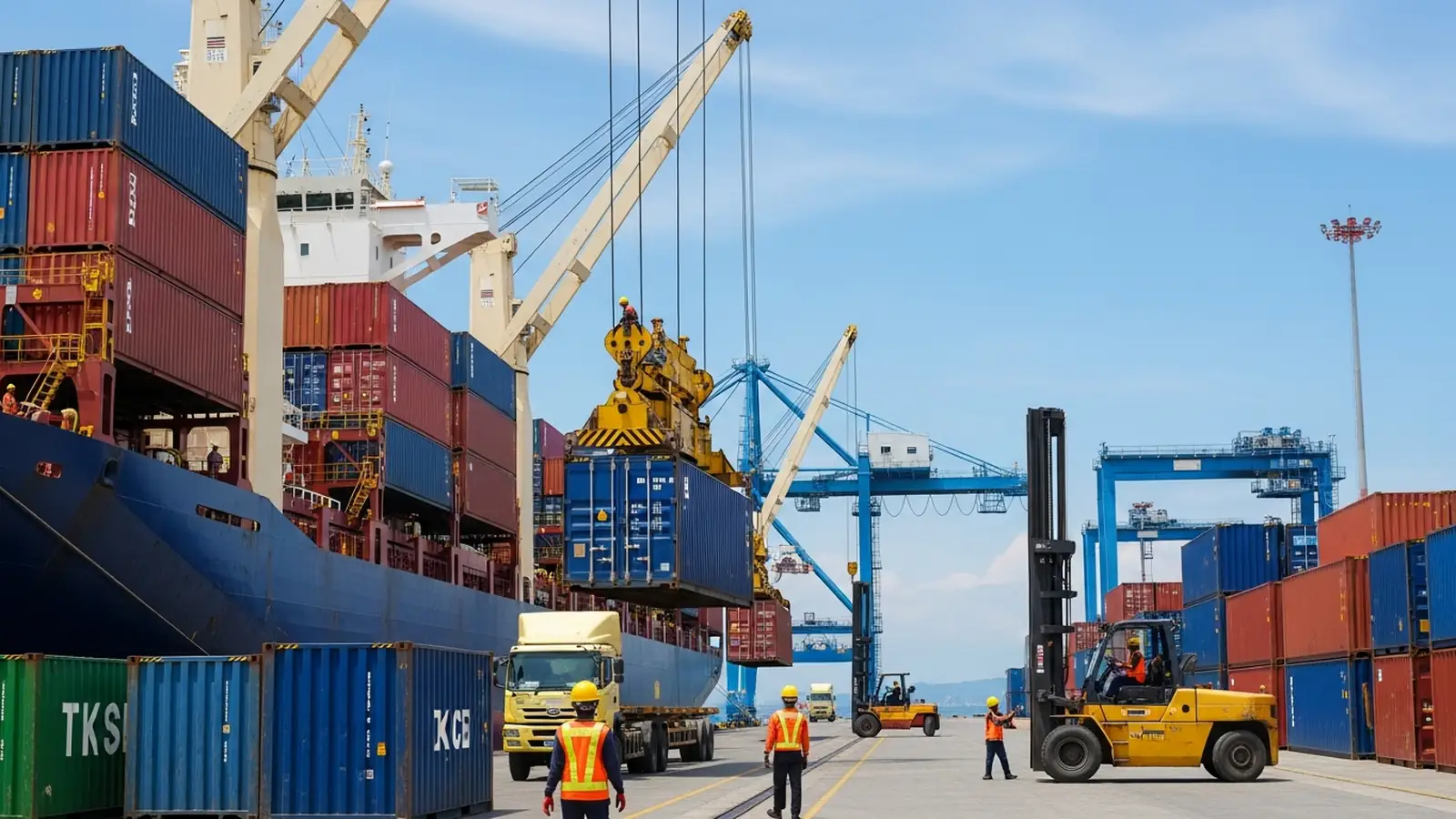
When shipping from Australia to Bali, businesses primarily choose between air freight and sea freight. Air freight, managed by major carriers like DHL, TNT/FedEx, and UPS, is ideal for small, high-value, or time-sensitive cargo. Express air freight takes about 3–7 business days, while standard air freight can take 7–12 business days, depending on the carrier and customs clearance. On the other hand, sea freight is more suitable for bulk orders or lower-value goods. It typically takes 6–10 weeks for sea freight to reach Bali from Australia, as noted by PACK & SEND. The choice between air and sea freight depends on factors such as the nature of the goods, urgency, and cost considerations. It’s crucial to assess these factors carefully to ensure efficient and cost-effective shipping.
Navigating Indonesian Customs and Documentation Requirements
Successfully shipping goods to Bali requires a thorough understanding of Indonesian customs and documentation requirements. Exporters must provide a comprehensive commercial invoice, including details such as shipper name, consignee/buyer name, purchase order number, ports of loading/discharge, and HS/tariff code. Original manufacturer or supplier signatures are mandatory, as faxed signatures are not accepted. Additionally, for food products, proper labeling is essential and must include the expiration date, halal status, and BPOM registration. Pharmaceuticals have their own set of labeling requirements, such as indicating the country of origin and recommended dosage. Failure to comply with these regulations can lead to customs delays or even refusal of entry. Engaging a knowledgeable customs broker or logistics provider can help navigate these complexities.
Leveraging Certificates of Origin for Preferential Tariff Rates
To benefit from IA-CEPA’s preferential tariff rates, exporters must provide a certificate or declaration of origin. This document proves that the goods originate from Australia and are eligible for reduced duties. The certificate must be issued by official certifying bodies in Australia, such as industry chambers and export certifiers. The importance of this document cannot be overstated, as it is a critical piece of evidence that Indonesian customs will review to apply the preferential rates. Exporters must also identify the correct HS code for each product and consult Indonesia’s Tariff Schedule to determine the applicable duty rate. Ensuring accurate HS classification and documentation can prevent fines and excessive duties, streamlining the import process.
Understanding Costs and Delivery Times
Shipping costs from Australia to Bali can vary significantly based on weight, dimensions, courier, and service level. For instance, express services are costlier but offer faster delivery times, while economy services are more affordable with longer transit times. Shipping calculators, such as those offered by Easyship, can provide estimates that include taxes and duties. It’s important to note that Indonesia may assess import VAT, income tax on imports, and possible import duties, depending on the HS code and IA‑CEPA eligibility. For businesses, understanding these cost components is vital for budgeting and pricing strategies. Engaging with freight forwarders like PACK & SEND can provide further insights into cost-effective shipping solutions.
Addressing Importer Requirements in Indonesia
Indonesian regulations require that a consignee or importer in Indonesia acts as the importer of record for most commercial shipments. This could be a business partner, buyer, or customs broker. The importer of record is responsible for ensuring compliance with all import regulations and handling any customs issues that may arise. For businesses new to the Indonesian market, establishing a reliable partnership with a local entity can facilitate smoother transactions and ensure compliance with local laws. It’s also advisable to work closely with logistics providers who have experience in the Australia-Indonesia shipping route to minimize potential challenges.
Potential Challenges and How to Mitigate Them
Shipping to Bali can present challenges, such as customs delays and import taxes on high-value shipments. Community reports and logistics providers emphasize the importance of proper HS classification and accurate customs value to avoid fines and excessive duties. Goods, including used personal items, can be held at customs if the declared value is high or if documentation is incomplete. To mitigate these issues, businesses should ensure all export documents are complete, accurate, and compliant with Indonesian regulations. Consulting with logistics experts and customs brokers can provide additional assurance and help navigate any unexpected challenges.
Utilizing Technology in the Shipping Process
The integration of technology in the shipping process from Australia to Bali can significantly enhance efficiency and transparency. Many freight forwarders now offer digital platforms that allow shippers to track their shipments in real-time, providing updates on the location and status of goods. This level of visibility can help businesses plan better and respond swiftly to any issues that arise during transit. Additionally, digital documentation and automated customs clearance processes can reduce the time spent on paperwork and minimize human error. By leveraging technology, businesses can streamline their shipping operations, reduce costs, and improve overall supply chain management. Investing in tech-driven logistics solutions can be a game-changer in maintaining competitiveness in international markets.
Sustainability in Shipping Practices
As global awareness of environmental issues grows, businesses are increasingly prioritizing sustainable shipping practices. Shipping from Australia to Bali offers opportunities to implement eco-friendly strategies, such as optimizing packaging to reduce waste and utilizing carriers committed to lowering carbon emissions. Companies can choose to partner with shipping providers that offer carbon offset programs, thus mitigating their environmental impact. Additionally, selecting sea freight over air freight for less time-sensitive shipments can further contribute to sustainability efforts, as sea freight generally has a lower carbon footprint. By adopting sustainable practices, businesses not only contribute to environmental conservation but also appeal to eco-conscious consumers, enhancing their brand reputation.
Ready to explore the opportunities of shipping from Australia to Bali? Our team at Shipping Australia Bali is here to assist. For more detailed information or to discuss your specific shipping needs, contact us today. Let us help you navigate the complexities of international shipping and make your transition into the Indonesian market seamless and efficient.